Marian Miner Cook
Athenaeum

A distinctive
feature of social and
cultural life at CMC


Current Semester Schedule

Athenaeum events are posted here as detailed information becomes available.

Thu, March 28, 2019
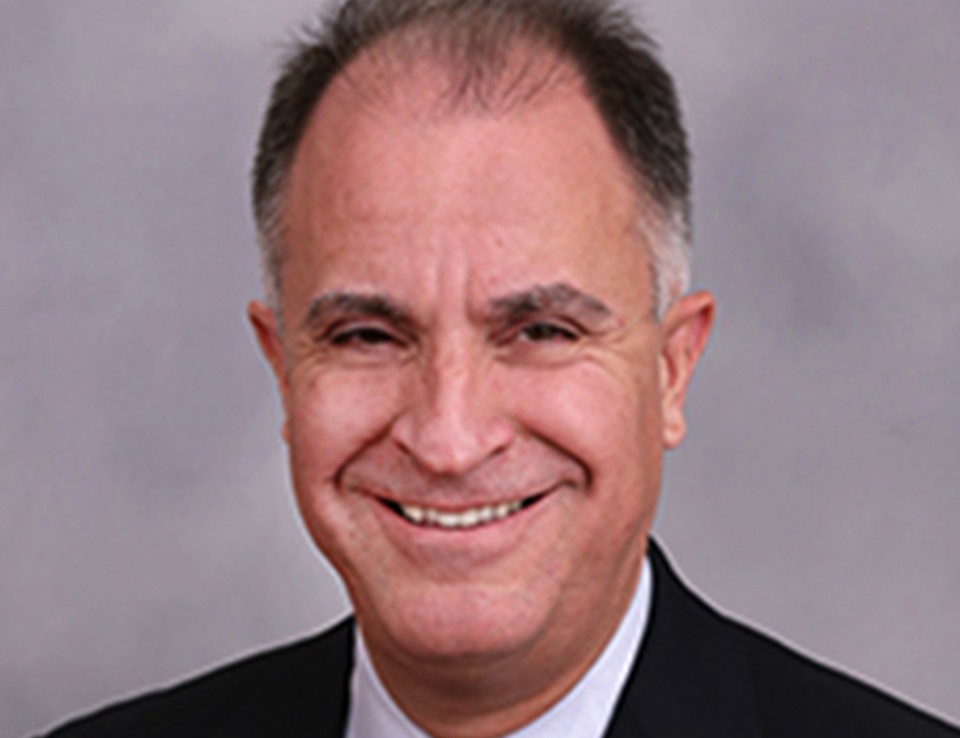
David Yermack

David Yermack, Albert Fingerhut Professor of Finance and Business Transformation and chairman of the finance department at New York University’s Stern School of Business, will  describe the growth of initial coin offerings (ICOs), a new channel of entrepreneurial finance that has grown rapidly to become a competitor of venture capital as a source of startup finance and will explore the origins of ICOs, look at original research into their success factors, and examine the evolving regulatory problems that ICOs have created.

Read more about the speaker

David Yermack is the Albert Fingerhut Professor of Finance and Business Transformation and chairman of the finance department at New York University’s Stern School of Business, where he has been a member of the faculty since 1994.  He is also an adjunct professor of law at the NYU School of Law, director of the NYU Pollack Center for Law and Business, and a research associate of the NBER Law and Economics program. 

In 2014 Yermack began teaching a full semester course at NYU on digital currency and blockchains with Geoffrey Miller, professor of law at NYU. The course was the first in the world on this topic taught at a major research university, and now draws more than 200 students annually.

Yermack has presented his FinTech research at numerous international universities and regulatory bodies including the United Nations, Bank for International Settlements, OECD, U.S. Treasury, U.S. Securities and Exchange Commission, Inter-American Development Bank, World Bank, and the U.S. Public Company Accounting Oversight Board.

Professor Yermack’s Athenaeum presentation is co-sponsored by Center for Innovation and Entrepreneurship (CIE), the Lowe Institute of Political Economy, and Financial Economics Institute (FEI), all at CMC.

Read less
Thu, March 28, 2019
Lunch Program
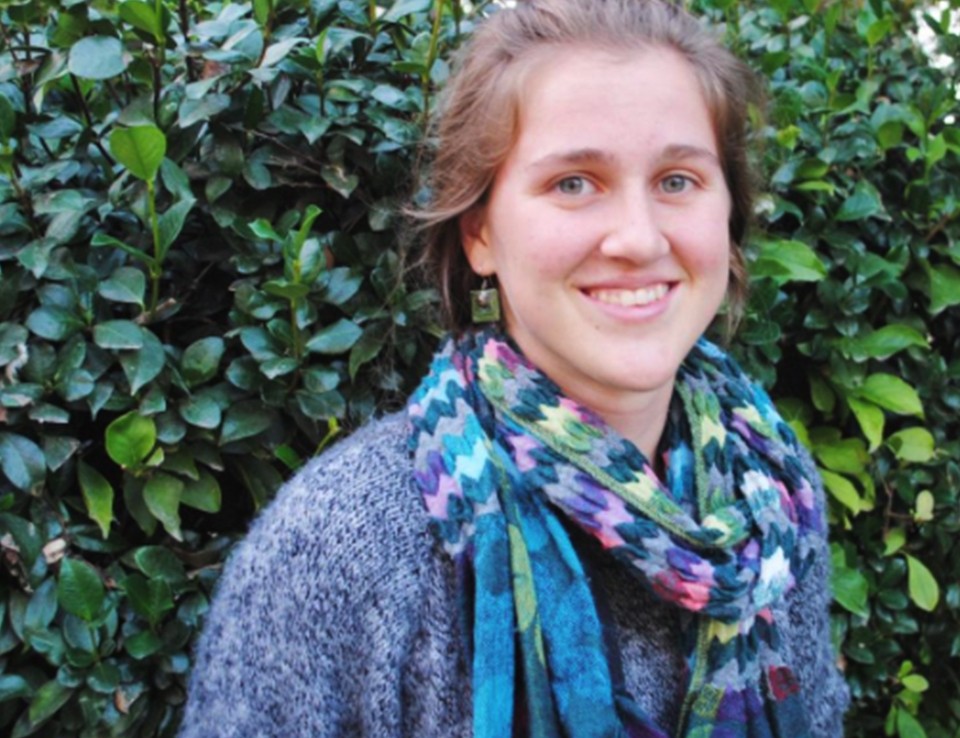
Rachel Conrad PZ '13

Rachel Conrad PZ ’13 and Napier Prize awardee will talk about her work with and on behalf of farmers in Ecuador’s Dolcepampa valley whose water supply was threatened by the construction of a new hydro-electric dam. Her careful work documented the river’s water flow and the amount of water needed to maintain the essential farming economy of the region.This information was crucial to insuring that the dam operators would continue to guarantee sufficient water for the farms.

Read more about the speaker

Rachel Conrad PZ '13, Fulbright Scholar (2013-14) and recipient of the Napier Award for Creative Leadership in 2013, worked with farmers in Ecuador in the Dulcepamba watershed whose water rights are threatened by plans for a large hydro-electric power dam. Her research and documentary film helped to provide voice to the concerns of farmers in 72 area communities. Conrad returned to Ecuador to continue collaboration on a socio-environmental analysis of the watershed with Accíon Ecologicas in Quito. Her work informed the development of a sustainable water management plan that serves not only the growing needs for electrical power in Ecuador, but also the farmers whose lives depend on the watershed.

Read less
Wed, March 27, 2019
Dinner Program
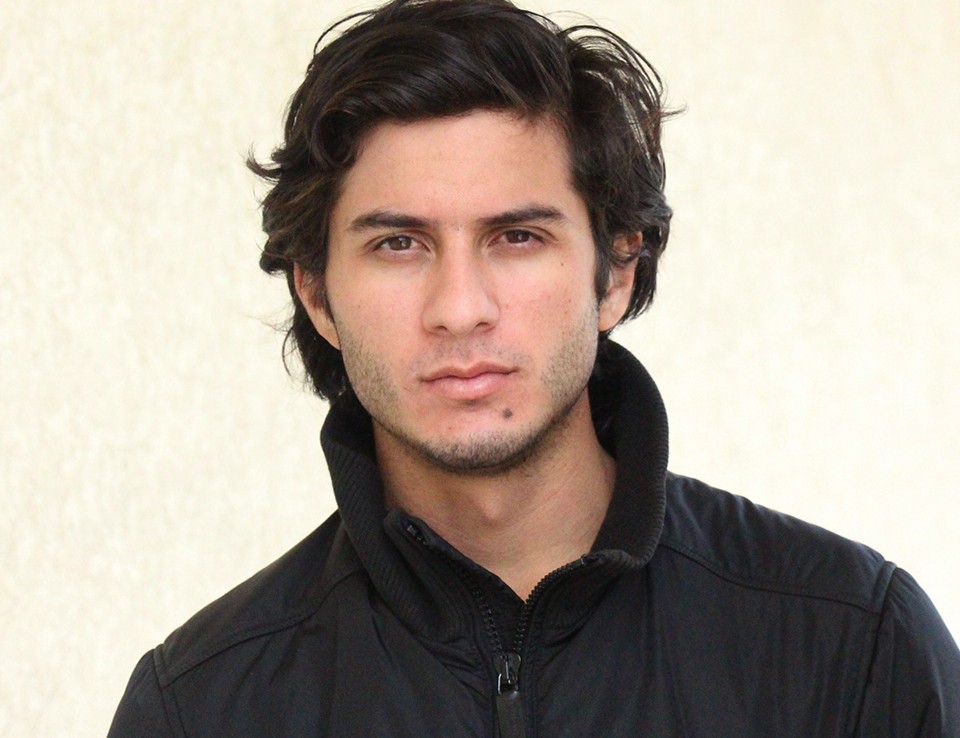
Eduardo Chávez

Eduardo Chavez, grandson of legendary civil rights activist César Chávez, screens his film "Hailing César," in which he takes a journey to understand the legacy of his grandfather and what it means today. The film addresses themes of labor rights, Latino empowerment, activism and social justice. 

Read more about the speaker

Scion of two revolutionary families, Eduardo Chávez  is the grandson of both the legendary civil rights activist Cesar Chávez (on his father’s side) and the Cuban revolutionary Max Lesnik (on his mother’s side). Chávez  attended Loyola Marymount University on a golf scholarship and played professional golf following college. He is currently a working actor in Los Angeles. His goal is to bring depth to the portrayal of Latino characters in film, television and other media.  He is the co-founder of Latindia Studios.


Food for Thought: Podcast with Eduardo Chavez

Read less
Wed, March 27, 2019
Lunch Program
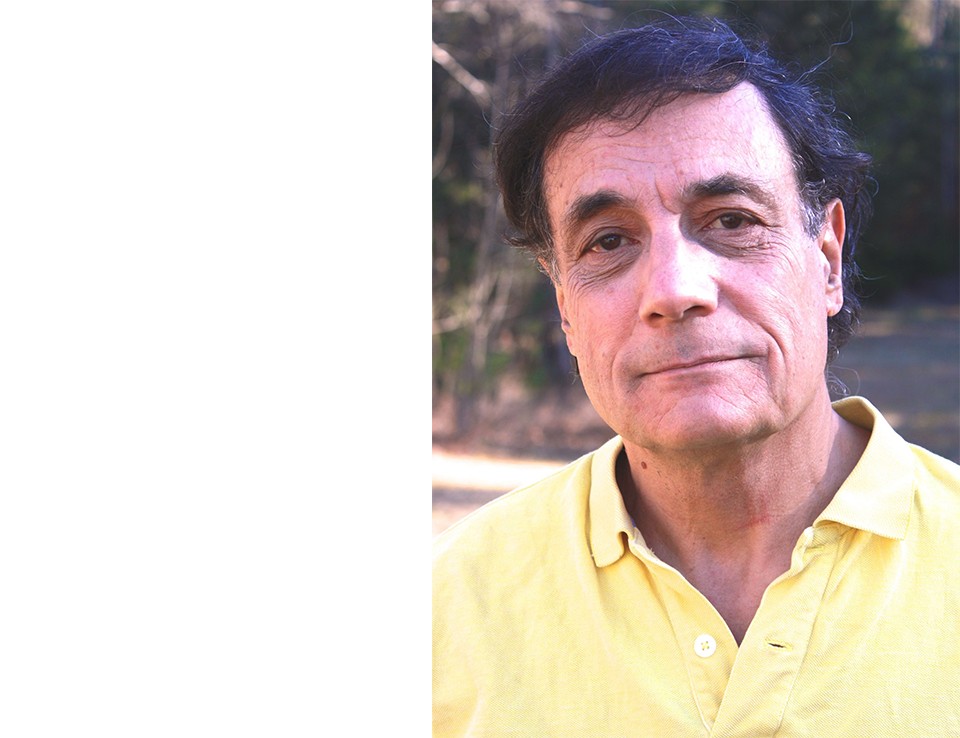
R. Shep Melnick

The original purpose of Title IX of the 1972 Education Amendments was to eliminate institutional barriers to educational opportunity for women and girls.  As the doors of opportunity swung open, female students rushed through, outperforming their male counterparts at nearly all educational levels. Yet today Title IX rules—especially those on sexual harassment and transgender rights—are more controversial than ever. That is because federal regulation under Title IX has morphed into a far more ambitious effort to counteract gender stereotypes held by all of us—students, faculty, and the public at large. Shep Melnick, professor of American Politics at Boston College, will describe how this change took place and why it has often produced perverse results.

Read more about the speaker

R. Shep Melnick is the Tip O’Neill Professor of American Politics at Boston College and co-chair of the Harvard Program on Constitutional Government.  He is the author most recently of “The Transformation of Title IX:  Regulating Gender Equality in Education” (Brookings, 2018). His research has focused on the intersection of law, politics, and public policy. His previous books includes “Regulation and the Courts:  The Case of the Clean Air Act” (Brookings, 1983) and “Between the Lines:  Interpreting Welfare Rights” (Brookings, 1994), which won the 2012 “Lasting Contribution” award from the American Political Science Association’s Law and Courts section. Before joining the political science department at Boston College, Melnick taught at Brandeis and Harvard. He has served as president of the New England Political Science Association and as an elected member of the New Hampshire House of Representatives. He received both is BA and Ph.D. from Harvard.

Professor Melnick will deliver the Salvatori Center's Lofgren Lecture on American Constitutionalism. 

Read less
Tue, March 26, 2019
Dinner Program
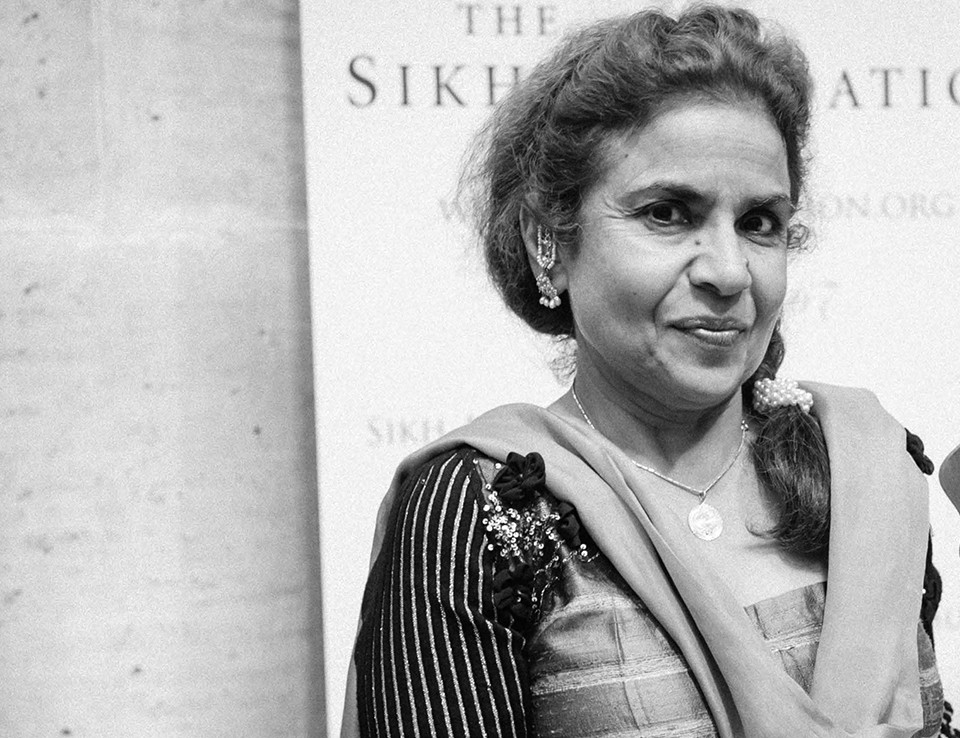
Nikky-Guninder Kaur Singh

Nikky Singh, professor of religious studies at Colby College, will explore how early Sikh art 1) illuminates the Sikh sacred text, 2) amplifies Sikh theological precepts, and 3) expresses an existential mode of being Here and Now.


Read more about the speaker

Nikky-Guninder Kaur Singh is the head of the department of religious studies at Colby College, and holds the Crawford Family Professor Chair. Her interests focus on Asian religions, feminist issues, and sacred art and poetry.

Singh has published extensively in the field of Sikh studies. A prolific writer, her books include “Of Sacred and Secular Desire: An Anthology of Lyrical Writings from the Punjab,” “Sikhism: An Introduction,” and “Cosmic Symphony,” among many others. She has authored almost 100 articles and book chapters and given more than 250 lectures nationally and internationally. She has been featured on television and radio in America, Canada, England, Ireland, Australia, India, and Bangladesh. She has served on the editorial board of several journals including the History of Religions, the Journal of the American Academy of Religion, and Sikh Formations.

Singh came to America to attend a girls’ prep school in Virginia, got her B.A. from Wellesley College, M.A. from University of Pennsylvania, and Ph.D. from Temple University.

Professor Singh’s Athenaeum presentation is co-sponsored by the Sikh Studies Fund.


Food for Thought: Podcast with Nikky Singh

Read less
Mon, March 25, 2019
Dinner Program
Thomas Chatterton Williams

A reckoning with the way we choose to see and define ourselves, Thomas Williams’ forthcoming book “Self- Portrait in Black and White” is the story of one American family’s multi-generational transformation from what is called black to what is assumed to be white. A writer and national fellow at the New America, Williams will discuss how he spent his whole life believing the all-American dictum that a single drop of “black blood” makes a person black. This was so fundamental to his self-conception that he never rigorously reflected on its spurious foundations—but the shock of his experience as the black father of two extremely white-looking children in Paris has led him to question these long-held beliefs; it’s not that he believes that he is no longer black or that his daughter is white, but believes that these categories cannot adequately capture his family or anyone else for that matter.

Read more about the speaker

Thomas Chatterton Williams is the author of “Losing My Cool” and a contributing writer at the New York Times Magazine. His work has appeared in The New Yorker, Harper's and the London Review of Books. He is a 2019 New America Fellow and the recipient of a Berlin Prize. 


Food for Thought: Podcast with Thomas Williams

Read less
Wed, March 13, 2019
Dinner Program
Rebecca Campbell

Sexual assault kits (SAKs; also termed “rape kits”) contain biological evidence that can be tested for DNA to assist in the investigation and prosecution of criminal sexual assaults. However, in jurisdictions throughout the United States, police have not been submitting rape kits for DNA testing and instead they are put in storage, untested and forgotten for years, sometimes decades. In this talk, Rebecca Campbell, professor of psychology at Michigan State University, will review the scope of this problem in the United States and examine the underlying reasons why this problem is occurring in so many communities. She will also present empirical data from Detroit and other U.S. cities on the root causes of the problem and suggest strategies for testing previously unsubmitted SAKs.

Read more about the speaker

Rebecca Campbell is a professor of psychology at Michigan State University. She holds a Ph.D. in community psychology with a concentration in statistics, also from Michigan State University. For the past 25 years, she has been conducting community-based research on violence against women and children, with an emphasis on sexual assault. Campbell’s research examines how contact with the legal and medical systems affects adult, adolescent, and pediatric victims’ psychological and physical health.

Most recently, she was the lead researcher for the National Institute of Justice-funded Detroit Sexual Assault Kit Action Research Project, which was a four-year multidisciplinary study of Detroit’s untested rape kits. Campbell also conducts training for law enforcement and multidisciplinary practitioners in civilian, military, and campus community settings on the neurobiology of trauma.

In 2015, Campbell received the Department of Justice, Office for Victims of Crime, Vision 21 Crime Victims Research Award.


View Video: YouTube with Rebecca Campbell

Read less
Wed, March 13, 2019
Lunch Program
Thomas Fuller-Rowell

Social inequality has increased substantially in recent decades and has become a salient issue in many societies around the world. Thomas Fuller-Rowell, associate professor in the College of Human Sciences at Auburn University, will discuss trends in income inequality in the United States and consider potential consequences for population health.

Read more about the speaker

Thomas Fuller-Rowell received his B.A. in biochemistry and psychology from the University of Colorado in 2003 with summa cum laude honors, and his Ph.D. in developmental psychology from the department of human development at Cornell University in 2010. He then completed post-doctoral training in population health sciences as a Robert Wood Johnson Health & Society Scholar at the University of Wisconsin-Madison (2011-13) and as a research fellow in the Institute for Social Research at the University of Michigan (2010-11) before starting his current position at Auburn University.

His research focuses on social determinants of health and health disparities across the lifespan. His work has been published in leading journals across the disciplines of psychology, epidemiology, and medicine, including Health Psychology, American Journal of Epidemiology, and Psychosomatic Medicine. Fuller-Rowell has also worked for a civil rights organization in Buffalo, NY to address housing discrimination (2003-04), and has implemented multi-site action research projects in New York City (2004-06).

Professor Thomas-Rowell's Athenaeum presentation is co-sponsored by the Berger Institute for Work, Family, and Children at CMC.

Read less
Mon, March 11, 2019
Dinner Program
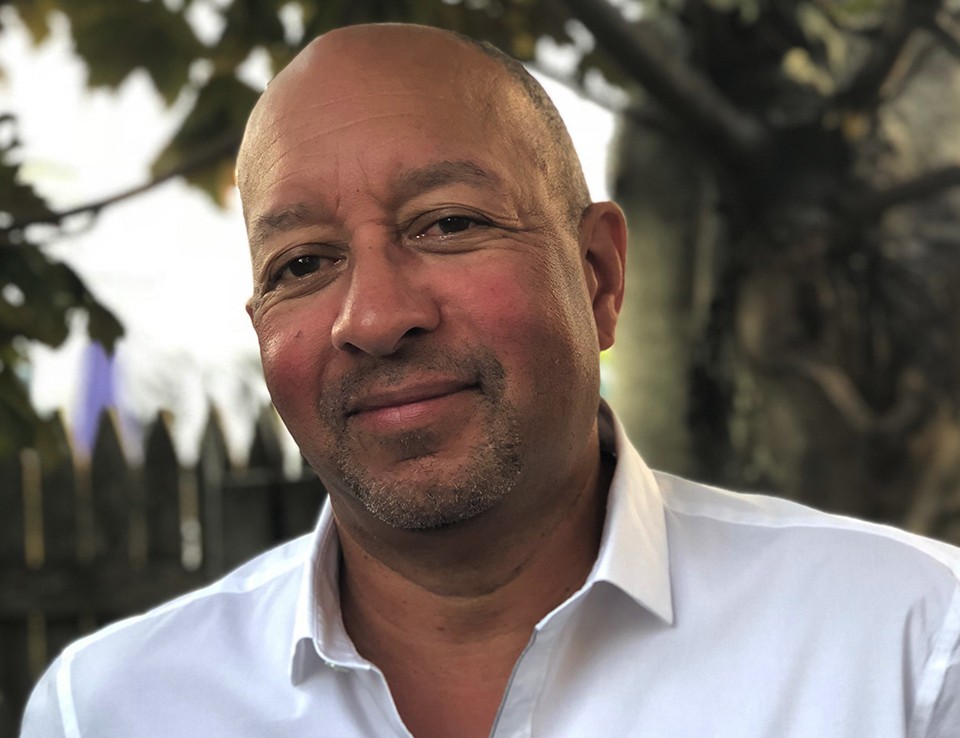
Marc Sommers

How can economic development actors succeed in a youth-dominated world? Marc Sommers, an internationally recognized youth and conflict expert, with additional expertise on gender, peace-building, governance, security, urbanization, inclusion, education, refugee, and development issues, draws from his book, "The Outcast Majority: War, Development, and Youth in Africa," to suggest an effective way forward.

Read more about the speaker

Marc Sommers is an internationally recognized youth and conflict expert. He also has expertise on gender, peace-building, governance, security, CVE, urbanization, inclusion, education, refugee and development issues. He has written nine books and received four book awards, and has provided strategic advice and policy analysis, and conducted research, assessments and evaluations in 22 war-affected countries (16 in Africa). 

Sommers has consulted for donor agencies, NGOs, UN agencies, and policy institutes over the past 25 years, taught for many years at The Fletcher School at Tufts University and was a fellow at the US Institute of Peace and the Woodrow Wilson International Center for Scholars. 

Sommers is a member of the UN’s Advisory Group of Experts for the Progress Study on Youth, Peace and Security. He draws his expertise from extensive experiences in Central & East Africa, West Africa's Mano River region, South Sudan & Kosovo.

His book, "The Outcast Majority: War, Development, and Youth in Africa," received the 2017 Jackie Kirk Award and Honorable Mention for the 2016 Senior Book Prize (American Ethnological Society). It ends with a framework for reforming development practice.

His earlier book, "Stuck: Rwandan Youth and the Struggle for Adulthood," received Honorable Mention for the 2013 Ogot Book Prize and "Fear in Bongoland: Burundi Refugees in Urban Tanzania" received the 2003 Margaret Mead Award. 


View Video: YouTube with Marc Sommers

Food for Thought: Podcast with Marc Sommers

Read less
Thu, March 7, 2019
Dinner Program
George Thomas

Is a law that makes it illegal to engage in speech that “defames” the government or brings it into “disrepute” unconstitutional? In 1798, when the Sedition Act was passed, the answer was not obvious. Seven years earlier in 1791, when the First Amendment was added to the Constitution, there had been no discussion of what “the freedom of speech” meant. The Sedition Act of 1798 forced the new republic to confront the nature and meaning of freedom of speech under the Constitution. George Thomas, Wohlford Professor of American Political Institutions and director of the Salvatori Center at Claremont McKenna College, asserts that understanding one of our first great constitutional conflicts illuminates contemporary debates about constitutional interpretation and the importance of constitutional engagement by citizens.

Read more about the speaker

George Thomas is the Wohlford Professor of American Political Institutions at Claremont McKenna College and director of the Salvatori Center for the Study of Individual Freedom in the Modern World. He came to CMC from Williams College in 2007. He is the author of “The Founders and the Idea of a National University: Constituting the American Mind” (Cambridge University Press, 2015), “The Madisonian Constitution” (Johns Hopkins University Press, 2008), and co-author of the two volume “American Constitutional Law: Essays, Cases, and Comparative Notes” (West Academic, 2018), as well of numerous scholarly articles.

Thomas’s works have appeared in popular journals such as National Affairs, The American Interest, and the Washington Post. He has received fellowships from the National Endowment for the Humanities and the Huntington Library, and is the recipient of the Alexander George Award from the American Political Science Association. He is currently completing a book titled “The (Un)Written Constitution” on which his Athenaeum talk is based.

Professor Thomas’s Athenaeum presentation celebrates his installation ceremony as the Wohlford Professor of American Political Institutions at CMC.


Read less
Wed, March 6, 2019
Dinner Program
Travis Zadeh

Historically, Muslim geographers described and mapped the world not only to render it known, but also to marvel at its unknowability. Starting in the early 16th century, accounts and maps drawn from Iberian materials on the Americas began to occasion notable shifts in Islamic geographical writing and cartography. Importantly, the language of discovery also came to play a role in triumphalist Christian discourses on Muslim inferiority and insularity. Beginning in the early 20th century, an array of Muslim scholars, politicians, and religious authorities started to claim that Muslim seafarers preceded Columbus in the discovery of America. Travis Zadeh, associate professor of religious studies at Yale University, explores the various motivations guiding revisionist history in light of modern debates over the nature, significance, and scope of Islamic geography and the place of Muslims in the development of science and the course of world history.

Read more about the speaker

Travis Zadeh is a scholar of Islamic intellectual and cultural history. His areas of interest include frontiers and early conversion, Qur’anic studies, eschatology, mythology, mysticism, pilgrimage and sacred geography, encyclopedism, cosmography, classical Arabic and Persian literary traditions, material and visual cultures, Islamic studies in the digital humanities, vernacularity and language politics, comparative theories of language and translation, secularism, colonialism, Islamic reform, science, magic, miracles, and philosophies of the marvelous.

Zadeh’s research has examined the role of translation in the formative stages of Islamic history, particularly in the areas of geographical writings on the wonders of the world and scriptural hermeneutics concerning the transcendental nature of the Qur’an. His first monograph, "Mapping Frontiers across Medieval Islam: Geography, Translation and the ‘Abbasid Empire" (I.B. Tauris, 2011), explores the diverse uses of translation, scriptural exegesis, and administrative geography in the projection of imperial power. His second book, "The Vernacular Qur’an: Translation and the Rise of Persian Exegesis" (Oxford University Press, Qur’anic Studies Series – Institute of Ismaili Studies, 2012), examines early juridical and theological debates on the translatability of the Qur’an, the rise of vernacular cultures, the development of Persian exegetical literature, and translations of the Qur’an.

Zadeh is currently researching several topics, including astonishment and wonder before and after the age of reform, material and visual cultures in Islamic studies, knowledge networks spanning frontiers across Central and South Asia, and the intersections between sacred geography, history, and scripture. He is particularly interested in the problem of the marvelous, broadly construed, over the course of Islamic history. This topic forms the basis for his book project, "Marvelous Geographies: Religion and Science in Islamic Thought" (under contract with Harvard University Press). He is also undertaking a book project on the early history, formation, and memory of Mecca, with specific attention to the repeated destruction of the sanctuary complex at the end of the seventh century and the ensuing implications for ritual practice and political authority. Both books draw on archival research conducted with the support of an Andrew Mellon New Directions Fellowship (2013–16).

Professor Zadeh's Athenaeum presentation is co-sponsored by the Kutten Lectureship in Religious Studies at CMC.
Read less
Tue, March 5, 2019
Dinner Program
Carl Wilkens

The only American to remain in Kigali, Rwanda, throughout the 1994 genocide, Carl Wilkens ventured out each day into streets crackling with mortars and gunfire and worked his way through roadblocks of angry, bloodstained soldiers and civilians armed with machetes and assault rifles in order to bring food, water and medicine to groups of orphans trapped around the city. Working with Rwandan colleagues, they helped save the lives of hundreds. His harrowing yet hopeful journey weaves together stories of tremendous risk and fierce compassion in the midst of senseless slaughter and promotes how to “enter the world of the Other.”

Read more about the speaker

Carl Wilkens's storytelling does not stop with Rwanda’s tragic history, but moves forward to the powerful and inspiring recovery process. Among the many lessons he shares from his experience is the transformative belief that we don’t have to be defined by what we lost or our worst choices. We can be defined by what we do with what remains—what we do next after terrible choices and how to “enter the world of the Other.”

In 2011, Wilkens completed a book detailing those days titled “I’m Not Leaving.” A 40-minute documentary by the same title has since been released. Each year he returns to Rwanda with students and educators to see for themselves how people are working together to rebuild their country and rebuild trust.

Through his not-for-profit, World Outside my Shoes, Wilkens facilitates meaningful conversations under the broad umbrella of learning to live together and to inspire and equip people to stand up against genocide, racism, and intolerance.

Mr. Wilkens’s Athenaeum presentation is co-sponsored by the Mgrublian Center for Human Rights at CMC.


Food for Thought: Podcast with Carl Wilkens

Read less
Mon, March 4, 2019
Dinner Program
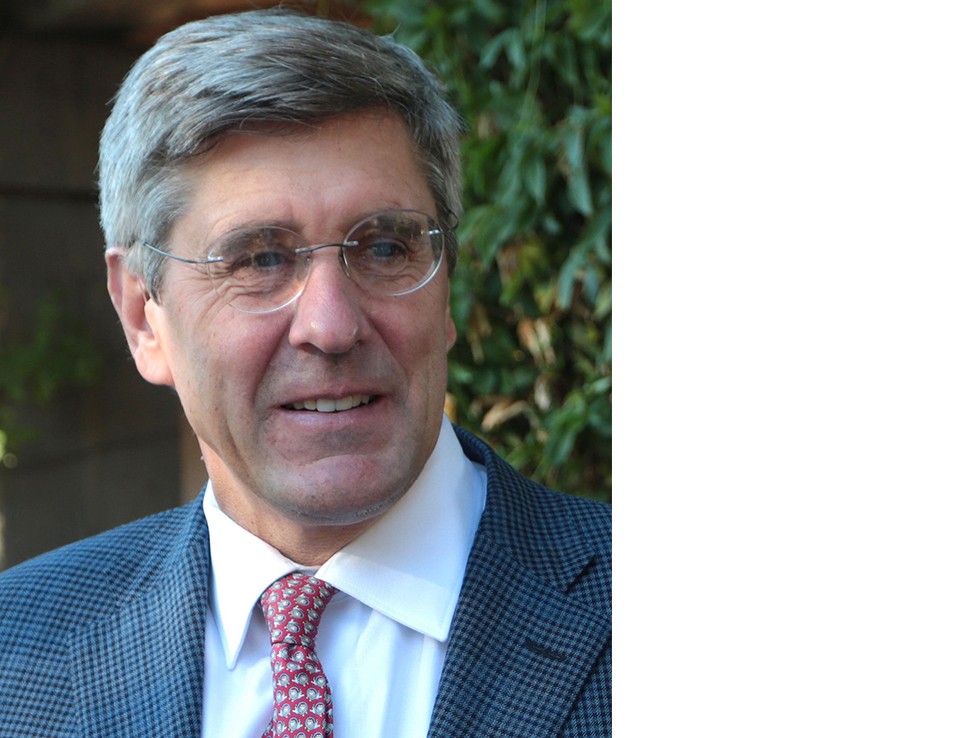
Stephen Moore

Stephen Moore, economic policy analyst at CNN and economic advisor to candidate Donald Trump, will explore what it means for our economic system and our economic results to be "fair." Does it mean that everyone has a fair shot? Does it mean that everyone gets the same amount? Does it mean the government can assert the authority to forcibly take from the successful and give to the poor? Is government supposed to be Robin Hood determining who gets what? Or should the market decide that?

Read more about the speaker

During the 2016 presidential campaign, Stephen Moore served as a senior economic advisor to candidate Donald Trump, with a focus on tax reform, regulatory reform, and energy policy. In addition to his current role at 32 Advisors, Moore is a heritage visiting senior fellow and a senior economic analyst at CNN; he has more than thirty years of experience as an economist and thinker on the impact of government on business.

Moore previously wrote on the economy and public policy for The Wall Street Journal and was a member of its editorial board. During his career, Moore has served as a senior economist at the Congressional Joint Economic Committee, and as a senior economics fellow at the Cato Institute, where he published dozens of studies on federal and state fiscal policy. He advised the National Economic Commission in 1987 and served as a research director for President Reagan's Commission on Privatization.

View Video: YouTube with Stephen Moore

Read less
Mon, March 4, 2019
Dinner Program
Carl Phillips

Poet and author Carl Phillips, professor of English and of African and Afro-American Studies at Washington University in St. Louis, will read some of his award-winning poetry and share personal reflections.

Read more about the speaker

Carl Phillips is the author of 14 books of poetry, most recently “Wild Is the Wind” (FSG, 2018), and “Reconnaissance” (FSG, 2015), winner of the PEN USA Award and the Lambda Literary Award. He is also the author of two books of prose: “The Art of Daring: Risk, Restlessness, Imagination” (Graywolf, 2014) and “Coin of the Realm: Essays on the Life and Art of Poetry” (Graywolf, 2004), and he is the translator of Sophocles’ Philoctetes (Oxford, 2004).

A four-time finalist for the National Book Award, his honors include the Los Angeles Times Book Prize for Poetry, the Kingsley Tufts Award, the Kenyon Review Award for Literary Achievement, and fellowships from the Guggenheim Foundation, the Library of Congress, and the Academy of American Poets. He teaches at Washington University in St. Louis.

Professor Phillips Athenaeum presentation is co-sponsored by the Gould Center for Humanistic Studies in collaboration with the poetry colloquium of the department of literature.

(Parents Dining)

Read less
Mon, March 4, 2019
Lunch Program
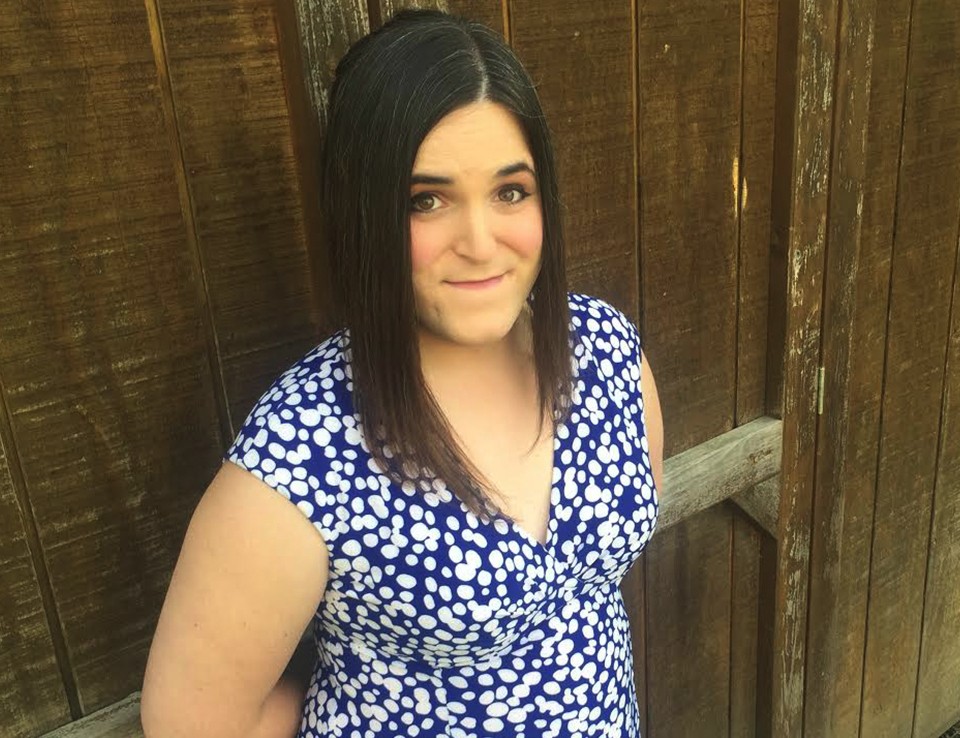
Meredith Russo

Partially inspired by her experiences as a trans woman, Meredith Russo's debut novel, If I Was Your Girl, won the Stonewall Award in 2016. It has been described as "a universal story about feeling different and a love story that everyone will root for," and it also won honors for the Walter Dean Myers Diversity Award and the Lambda Literary Award. Russo will speak to her experience as a trans writer, a trans woman, and as a distinct minority in the book business industry.

Read more about the speaker

Meredith Russo is a novelist and public speaker from Chattanooga, Tennessee, where she was born and where she received a degree in creative writing and women’s studies from the University of Tennessee. Her award-winning debut novel, If I Was Your Girl, released in 2016 and won the Stonewall Award, as well as honors for the Walter Dean Myers Diversity Award and the Lambda Literary Award.

Russo is a contributor for the New York Times, Radical Hope, (Don’t) Call Me Crazy, and Meet Cute. She also publishes one short story, one novel chapter, and small multimedia side projects every month on Patreon. Her second novel, Birthday, is forthcoming. She has thousands of followers on social media, where she frequently speaks about politics, gender, writing, and publishing. She is one of only a few prominent transgender women speaking to transgender issues and creating transgender art.

Since Russo’s debut release, she has spoken on panels, in interviews, and as a solo presenter domestically and abroad. She was interviewed at Denmark’s Bogforum and has spoken for Highbridge Green School in the Bronx, Middleton High School in Wisconsin, and the Philadelphia Free Library’s author series. Her panel appearances include the Bay Area Book Festival, the American Librarian Association’s summer convention two years in a row, and the Southern Festival of Books. 

Ms. Russo's Athenaeum talk is co-sponsored by the Center for Writing and Public Discourse and the Gould Center for Humanistic Studies, both at CMC.

Photo Credit: Anthony Travis

View Video: YouTube with Meredith Russo

Read less

Marian Miner Cook Athenaeum

Claremont McKenna College
385 E. Eighth Street
Claremont, CA 91711

Contact

Phone: (909) 621-8244 
Fax: (909) 621-8579 
Email: